- There is no standard price for a home security system; cost depends on property type, number of entry points, systems selected, and the quality of equipment and installation.
- As a rough guide: HDB flats $1,000–$3,000, condominiums $2,000–$5,000, terrace and semi-detached homes $5,000–$15,000, and detached bungalows $12,000 and above.
- Every security quote has four components: equipment, installation, configuration, and ongoing support; a quote that is a single lump sum with no breakdown is a warning sign.
- The cheapest quote is rarely the right one; differences in brand quality, warranty coverage, and after-sales support account for most of the variation between quotes.
- The best time to install security infrastructure is during renovation, before walls and ceilings are closed; retrofitting cables afterwards costs significantly more.
- Modern security systems are no longer just about preventing break-ins; many homeowners now value remote access, visitor management, and the ability to monitor the home from anywhere.
Why There Is No Single Price, and What Actually Drives Cost
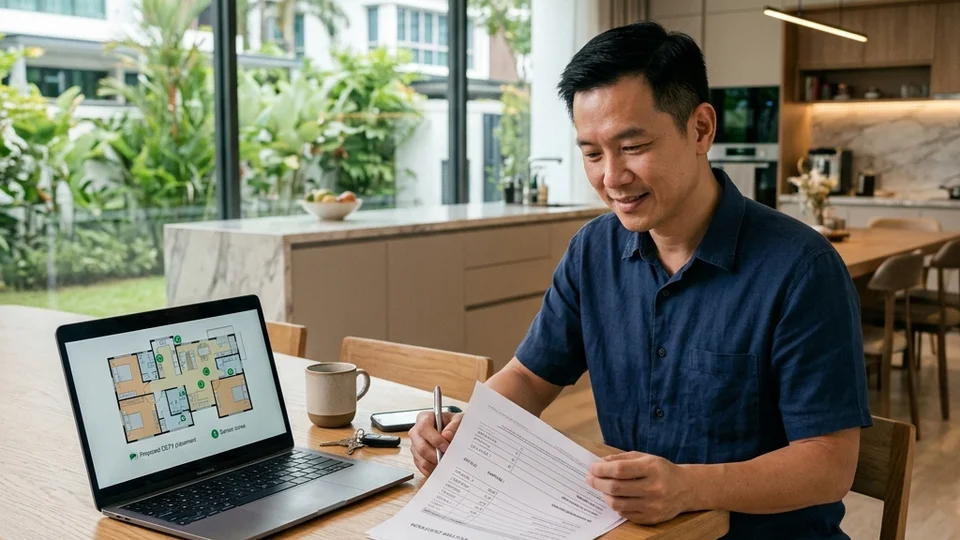
A home security system is not a product you pick off a shelf. It is a set of components chosen specifically for your property; your floor plan, your entry points, your concerns, and how you want to be alerted when something happens. The cost of securing a three-room HDB flat and the cost of securing a detached bungalow on a corner lot are not comparable, even though both are described as "home security."
We have seen quotations ranging from a few hundred dollars to tens of thousands of dollars for what appears to be the same thing. The difference is almost never about one contractor being dishonest and another being fair. It is about different properties, different scopes, different equipment quality, and different levels of after-sales support. Understanding what drives those differences is what lets you compare quotes properly rather than simply choosing the lowest number.
The four main systems homeowners install are burglar alarms, CCTV cameras, video intercoms, and door access systems. Most homes use one or two of these. Some use all four. The price ranges in this article are for Singapore installations in 2025–2026, including equipment and professional installation by a licensed contractor.
Security systems today are also about more than just preventing break-ins. Many homeowners choose them because they want to monitor deliveries, check on elderly parents during the day, see who is at the gate while travelling, or simply answer visitors remotely without going to the door. When convenience becomes part of the requirement, it affects what you specify, and what you spend.
What You Are Actually Paying For
When you receive a security quotation, it may look like a list of products and a single total figure. But most professional security installations involve four distinct cost components, and understanding each one helps you compare quotes more accurately.
The first is equipment; the cameras, alarm panels, intercoms, door readers, locks, and associated hardware. This is usually the most visible part of the quote and the easiest to compare across contractors. The second is installation; cabling, mounting, wiring, testing, and commissioning. This varies significantly depending on the property, the cable routes required, and whether the renovation is ongoing or already completed. The third is configuration; programming the system, setting up mobile applications, configuring user permissions, and testing everything end-to-end before handover. The fourth is warranty and ongoing support; the ability to get service, replacement parts, and technical help after installation.
Two quotes may show the same number of cameras at a similar total price but differ significantly in equipment brand, cable quality, configuration depth, and what happens when something goes wrong after year one. A quote that is a single lump sum with no breakdown makes it impossible to know what you are comparing. Always ask for an itemised breakdown before signing anything.
KEY POINT
When comparing quotes, the most useful question is not "which is cheapest?" It is "what exactly am I getting for this price?" Two quotes at different price points may be entirely reasonable for what they each include, or one may be leaving out something important.
Burglar Alarm Systems
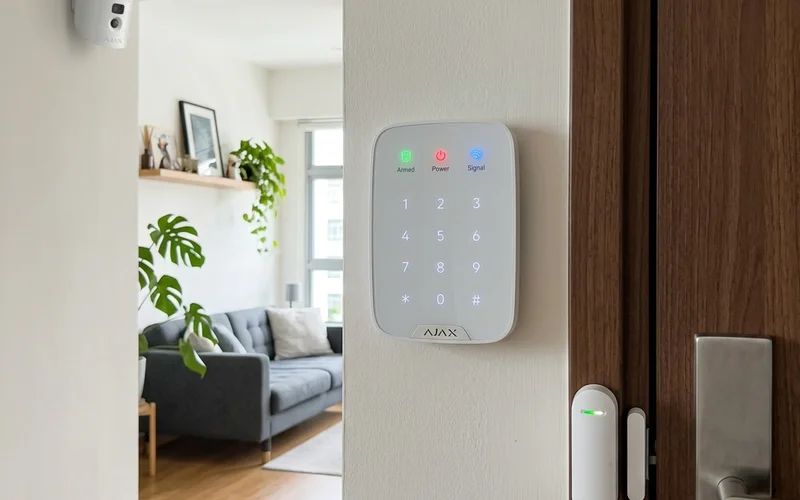
A burglar alarm system is made up of a control panel, one or more keypads, detectors on doors and windows, motion sensors inside the property, a siren, and a communication module that sends alerts to your phone or to a monitoring centre. The cost depends mainly on how many detectors are needed, whether the system is wired or wireless, and whether you connect to a professional monitoring centre.
A basic wired system for a three to four-room HDB flat; covering the front door, windows, and one or two interior motion sensors; runs from $800 to $1,800 installed. This gives you perimeter protection, a siren, and either self-monitoring via a mobile app or connection to a Central Alarm Monitoring Service (CAMS). A wireless system for the same property; using AJAX or RISCO; costs slightly more at $1,200 to $2,000, but requires no cable-chasing, which makes it much cleaner for furnished homes and retrofits.
For a landed property; terrace or semi-detached, two to three storeys, covering all external doors, windows, and interior zones; a wired system typically runs $2,000 to $4,000 depending on the number of zones and the panel specified. A larger bungalow or corner terrace with more entry points and a longer perimeter runs $3,500 to $6,000 for a comprehensive installation.
WHAT PUSHES COST UP
Each detector is one zone; more entry points mean more zones and higher cost. Wireless systems cost slightly more than wired but avoid cable disruption. A dual-path communication module (IP plus mobile network backup) costs more than IP-only but continues working if the internet connection fails. Professional monitoring adds $30 to $60 per month depending on the plan.
If you connect to a professional monitoring centre such as Chubb or Certis, expect an additional $30 to $60 per month depending on the response level. The monitoring centre receives your alarm signal, verifies it, and contacts you and the police if required; this is very different from a self-monitored system where you receive the alert on your phone and decide what to do.
CCTV Camera Systems
A CCTV system is made up of IP cameras, a network switch that powers the cameras through the cable, a Network Video Recorder (NVR) that stores the footage, a hard disk, and the cabling between them. The cost depends on how many cameras you need, what quality of camera is specified, and how much footage you want to keep.
A four-camera IP system for an HDB flat or small terrace; covering the front door, back door, driveway, and one interior area; runs $1,200 to $2,000 installed. This typically uses Hikvision cameras and a four-channel NVR with a 2TB surveillance-grade hard disk, giving you 20 to 30 days of continuous recording. An eight-camera system for a landed home; covering all external areas, the driveway, and key interior points; runs $2,500 to $4,500 depending on camera specification. Adding AI analytics cameras with human and vehicle detection or intrusion zone alerts pushes toward the higher end of that range.
A larger system with 12 to 16 cameras and a rack-mounted NVR typically runs $5,000 to $9,000 installed. Some homeowners also add cloud storage as a backup alongside local NVR recording; cloud plans typically cost $10 to $30 per camera per month for 30-day cloud retention.
WHAT PUSHES COST UP
Number of cameras is the main driver. Camera specification matters too; a standard camera costs significantly less than an AI analytics model or a low-light colour camera. Hard disk capacity increases with more cameras or longer retention. Rack-mounted NVRs for larger installations cost more than desktop units.
Video Intercom Systems
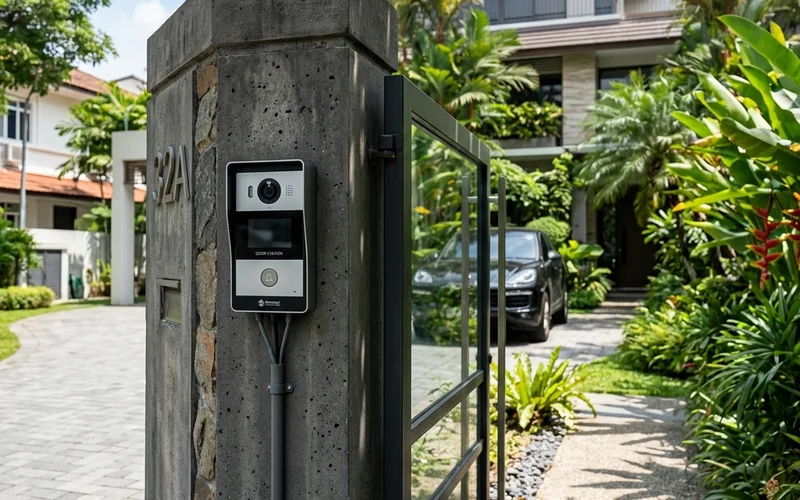
A video intercom for a landed home has a door station at the gate, one or more indoor monitors or a mobile app, and cabling between them. For a condominium or HDB unit, the options are usually a video doorbell or an upgrade to the existing shared intercom handset.
A basic audio-only intercom for an HDB or condominium unit; replacing or upgrading an existing handset; runs $300 to $600 installed. A video intercom for a landed home with one door station and one indoor monitor runs $800 to $1,500 installed for a traditional wired system using brands like Aiphone. Adding a second indoor monitor adds $200 to $400. An IP-based video intercom with smartphone integration, such as the Akuvox R20A; runs $1,200 to $2,200 installed for a single door station. This allows you to see, speak with, and release the gate for visitors from anywhere with an internet connection, which is the most common request from homeowners who travel frequently.
WHAT PUSHES COST UP
The number of door stations and indoor monitors, whether the system uses IP or traditional wiring, and whether smartphone integration is required. An IP system with mobile app costs more upfront but provides significantly more functionality and is easier to expand later.
Door Access Systems
A standalone door access system for a single door; card reader, electric lock, exit button, power supply; runs $500 to $1,200 installed depending on the reader technology (card only, card plus PIN, or card plus fingerprint) and the lock type. A digital door lock replacing a mechanical lock on a main door runs $400 to $900 supplied and installed, depending on the brand and features.
For most private residential properties, a standalone door access system or a digital lock is the right choice rather than a full networked access control system. Networked access control, where entry records are logged, multiple doors are managed centrally, and time-based access restrictions apply; is more commonly found in commercial premises, condominiums managing common area doors, and larger landed homes with multiple controlled entry points.
Putting It Together; Realistic Total Budgets
Most homeowners do not install all four systems at once. The table below shows how typical total budgets look for different property types when systems are combined.
| Property Type | Typical Scope | Budget Range |
|---|---|---|
| HDB flat (3 to 5-room) | Burglar alarm + 4 CCTV cameras | $1,800–$3,500 |
| HDB flat with video intercom | As above + video doorbell | $2,400–$4,700 |
| Condominium unit | Digital lock + alarm + 2–4 cameras | $2,000–$5,000 |
| Terrace or semi-detached | Alarm + 8 cameras + video intercom | $5,500–$9,000 |
| Terrace or semi-detached (full) | As above + digital lock + door access | $6,500–$10,500 |
| Semi-detached or bungalow | Alarm + 12+ cameras + IP intercom | $8,000–$15,000 |
| Detached bungalow (full system) | Alarm + 16 cameras + IP intercom + access | $12,000–$20,000+ |
These ranges assume professional installation by a licensed security integrator. DIY camera systems from consumer electronics stores cost less but come with no professional system design, no integration between components, no warranty support from an integrator, and no someone to call when something stops working.
PLANNING POINT
These figures are planning estimates, not fixed prices. The actual cost for your property depends on its layout, the number of entry points, the cable routes required, and the specific equipment chosen. A site assessment gives you a real number rather than a range.
Why Security Quotes Can Look So Different
One question we hear regularly is why quotes from different contractors can vary so widely for what appears to be the same job. The answer is that security systems are almost never identical between quotes, even when the scope looks the same on paper.
Different contractors may specify different camera brands, different resolutions, different storage capacities, different alarm panels, and different warranty periods. Some quotations include full commissioning, user training, and one year of after-sales support. Others focus on installation only and leave you to manage everything afterwards. Some use equipment from established brands with local distributor support and a 12-month warranty. Others use no-name or unbranded products that may be cheaper to buy but impossible to service or expand if the original installer is no longer available.
We have seen homes where the installed equipment was so unfamiliar that no other contractor could identify the components, let alone service them. When the original installer was unreachable, the homeowner had to replace the entire system. A higher upfront cost from a licensed contractor using recognised brands almost always works out cheaper over five years than a lower initial quote from someone using unbranded equipment with no after-sales structure.
WHAT TO WATCH FOR
Ask for the make and model of every component in the quote. Search the brand online, if you cannot find a Singapore distributor, local support website, or product warranty documentation, treat that as a warning sign. A professional security contractor should be able to tell you exactly what they are installing and why.
The Cost of Installing After the Renovation
One pattern we see consistently is homeowners who spend months choosing flooring, lighting, and kitchen finishes, and leave security planning until the renovation is nearly complete. By then, some of the best cable routes are no longer accessible. Ceilings are plastered, walls are tiled, and carpentry is in place.
The security system can still be installed, but often with more compromise than necessary. Cameras end up in slightly wrong positions because the ideal cable route is no longer available. Surface trunking runs along walls where concealed cabling would have been cleaner. Additional work is needed to open channels that should never have been closed without cabling first.
A camera cable that costs very little to install during renovation may require surface trunking, wall hacking, or a compromise on placement afterwards. The same applies to intercom wiring, network points for access control, and conduits for the gate automation. We are not suggesting that every homeowner needs to install every security system during renovation. But preparing cabling and conduit routes while the walls are open costs very little compared to reopening them later, and makes every future upgrade significantly easier.
Securevision's View
We do not publish fixed price lists because every property is different. What we do is provide a detailed itemised quote after a site assessment; no pressure, no obligation. The most useful first step is a conversation or a site visit. That costs nothing and gives you a real number for your specific property rather than a broad range that may or may not apply to your situation.
Frequently Asked Questions
How much does a burglar alarm cost in Singapore?
A basic wireless burglar alarm for an HDB flat or small apartment; covering the front door, windows, and one or two motion sensors, typically costs $1,200 to $2,000 installed. A wired system for the same scope runs $800 to $1,800. For a landed home covering all external doors, windows, and interior zones across two or three floors, expect $2,000 to $4,000 for a standard installation and $3,500 to $6,000 for a more comprehensive one. These figures include equipment and installation but not ongoing monitoring fees.
How much does CCTV cost for a landed house in Singapore?
A four-camera system for a smaller landed home typically runs $1,200 to $2,000 installed. An eight-camera system covering all external perimeters and key interior points runs $2,500 to $4,500 depending on camera specification. A larger system with 12 to 16 cameras and a rack-mounted recorder runs $5,000 to $9,000. AI analytics cameras, which can distinguish between people, vehicles, and animals and send more targeted alerts; sit at the higher end of each range.
How much does a video intercom cost in Singapore?
A basic audio intercom upgrade for an HDB or condominium unit runs $300 to $600 installed. A wired video intercom for a landed home with one door station and one indoor monitor runs $800 to $1,500. An IP-based system with smartphone integration; allowing you to answer the gate from anywhere; runs $1,200 to $2,200 for a single door station. Adding a second indoor monitor adds $200 to $400.
How much does a digital door lock cost in Singapore?
A digital door lock replacing a mechanical lock on a main door runs $400 to $900 supplied and installed, depending on the brand and features. PIN-only models sit at the lower end. Models with fingerprint, face recognition, or mobile app access sit at the higher end. For most residential main doors, a mid-range digital lock from a brand such as Samsung, Yale, or Igloohome provides a good balance of reliability and features.
Why are security quotes from different contractors so different?
Different contractors specify different equipment brands, different camera resolutions, different storage capacities, and different levels of after-sales support. A quote that includes full commissioning, user training, and ongoing support will cost more than one that covers installation only. The equipment brand matters significantly; cameras and alarm panels from established manufacturers with Singapore distributor support cost more than unbranded alternatives, but they can be serviced and expanded by any qualified contractor. We have seen homeowners whose systems became unserviceable because the equipment was unrecognisable to any other contractor once the original installer was no longer available.
What should a security system quote include?
A professional quote should itemise every hardware component with the make and model number, the installation labour, cabling, testing and commissioning, and the warranty terms for both equipment and workmanship. If you receive a single lump sum with no breakdown, ask for the itemised version before signing. You should be able to search every component in the quote and find it on the manufacturer's website or a local distributor's catalogue.
Is professional installation worth it compared to DIY?
For most Singapore homeowners, yes. Professional installation by a licensed security integrator provides system design specific to your property, proper cable management, integration between components, commissioning and testing, and someone to call if something stops working. DIY camera systems from consumer electronics retailers cost less upfront but provide no system design, no integration, and no warranty support from an integrator. For a system you are relying on for the security of your home, the difference in outcome over five years almost always justifies the difference in upfront cost.
Can I install CCTV outside my HDB flat?
Yes. Since May 2023, HDB flat owners no longer need approval to install corridor-facing CCTV cameras. The camera must be focused on your own entrance area and must not point at a neighbour's door or window. Inside your unit, cameras can be installed freely. For residents facing specific safety concerns such as loan shark harassment, a temporary installation at the main door can be approved with a police report and Town Council approval for six months. It is also worth noting that HDB common areas; lifts, lift lobbies, staircases; are already covered by the SPF's PolCam network, which operates over 90,000 cameras island-wide.
When is the best time to install security systems?
During renovation, before walls and ceilings are closed. Cabling for cameras, alarm sensors, intercom runs, and access control can be concealed properly during construction at relatively low cost. Retrofitting the same cable routes after renovation requires wall-chasing, patching, repainting, and often results in compromised equipment placement. Even if you are not ready to install the full system during renovation, running conduit and pulling cable to planned locations costs very little and saves significantly when you are ready to install.
Should I prepare cabling even if I am not installing everything now?
In most cases, yes. The cost of running spare cable and conduit during renovation is small compared to the cost of reopening ceilings and walls later. We regularly see homeowners who skipped this step during renovation spending more on remedial cabling work than they would have spent on the original cable runs. Even pulling a spare Cat 6 cable to each camera position and a conduit from the communications cabinet to the gate costs relatively little during active construction and provides complete flexibility for future upgrades.
How do I know if a security contractor is licensed?
Security system contractors in Singapore must hold a Police Licensing and Regulatory Department (PLRD) licence to install burglar alarms and security systems. You can verify a contractor's licence status on the SPF website. Securevision holds PLRD Licence No. . Always ask to see the licence number before engaging any security contractor; unlicensed installation of alarm systems is an offence under Singapore law.
What is the most important upgrade for a homeowner on a limited budget?
For HDB and condominium owners, a good digital door lock is usually the highest-impact single upgrade; it eliminates the vulnerability of mechanical keys being duplicated and provides access records and remote control where the feature is supported. For landed homeowners, a video intercom with gate control and smartphone integration typically delivers the most immediate and visible improvement, particularly for households where both adults work during the day and missed deliveries and unattended visitors are a regular frustration.
In Short
Home security costs in Singapore range from around $1,000 for a focused HDB installation to $20,000 or more for a full integrated system in a large landed home. The figures in this article are real ranges from real projects, but every property is different, and the only way to get a reliable number for your specific situation is a proper site assessment. What you spend matters less than whether the system was designed properly for your property and installed by someone who will still be there to support it in five years.