Security Built Into Your Home.
Run your security cables before the walls are plastered.
Working with Singapore homeowners, architects, and main contractors since 2006.
The Hiding Window That Only Opens Once
When building a house or doing major Additions & Alterations (A&A) in Singapore, you have a single window to get your security right. If you pass your building drawings to a security specialist early, your cables can be neatly run inside the walls. If we go in after the plastering is finished and the ceilings are up, running hidden cables becomes much harder, often requiring surface casing over your finished decorative walls.
Plan Before Plastering
We choose camera and alarm positions for perfect view angles, not just where a retrofitted bracket can fit. All wires hide inside the structural brickwork while it is exposed.
Zero Site Friction
We pass clear wiring layouts directly to your main contractor or electrical subcontractor. They know exactly what pipes to layout, eliminating any guesswork or costly mistakes on site.
Save on Heavy Labour
Running wires during early construction costs significantly less than doing it later. You save entirely on labour because there is no need for hacking walls, patching concrete, or repainting finished rooms.
The Core Security Systems We Design & Install
We focus exclusively on the core technical security trades for luxury landed homes. We coordinate the layouts early so they embed cleanly into your home architecture.
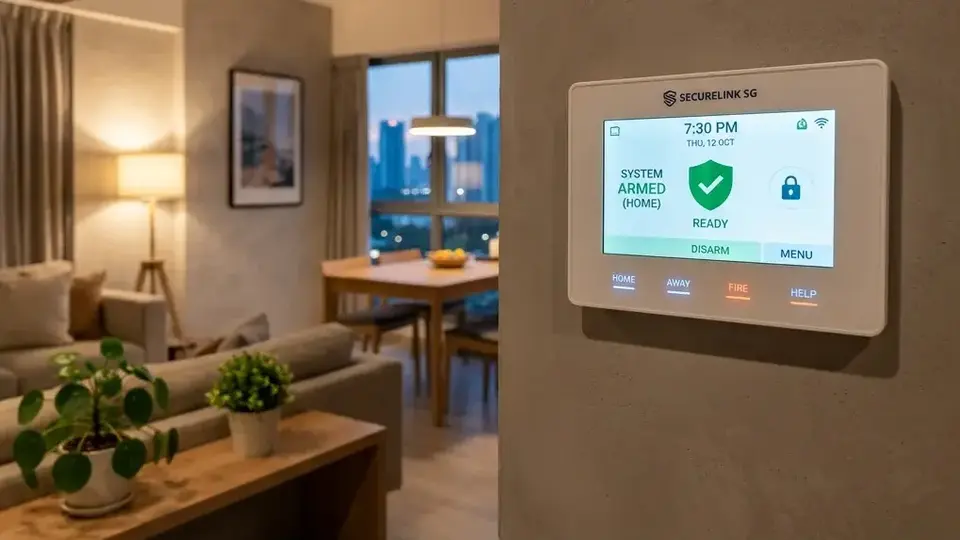
Burglar Alarm Systems
Specialist ScopeHidden sensors inside door and window frames track any break-in attempts. Backed up by a central battery pack so the home stays protected even if a main power cut strikes.
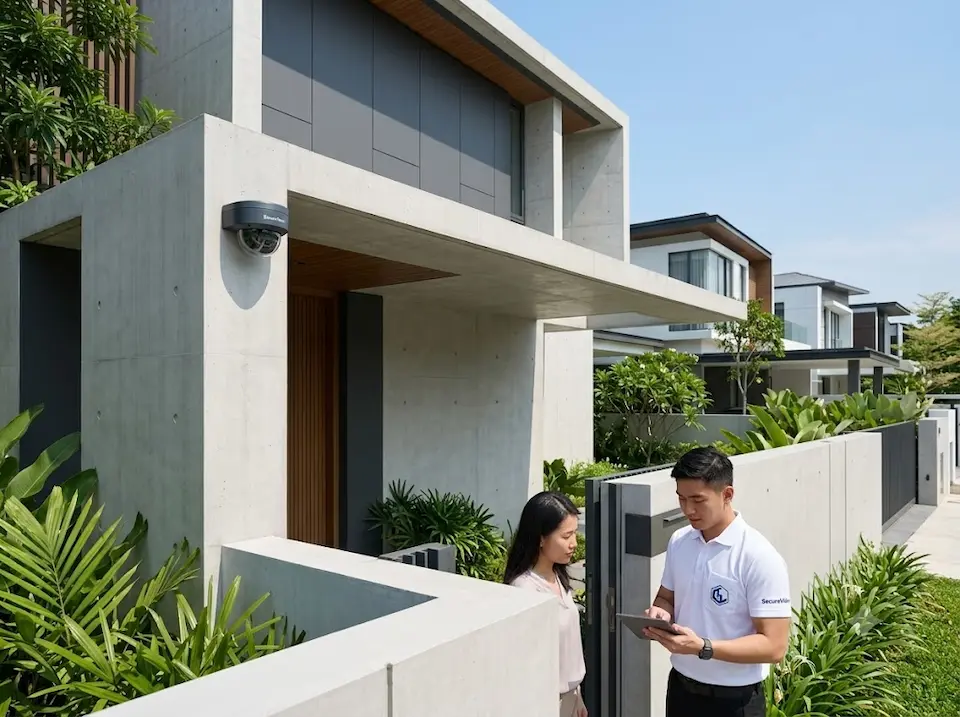
CCTV Camera Systems
Specialist ScopeHigh-definition cameras placed at main gates, front doors, and property boundaries. Wires feed directly into a centralized internet recorder hub without messing up your main living areas.
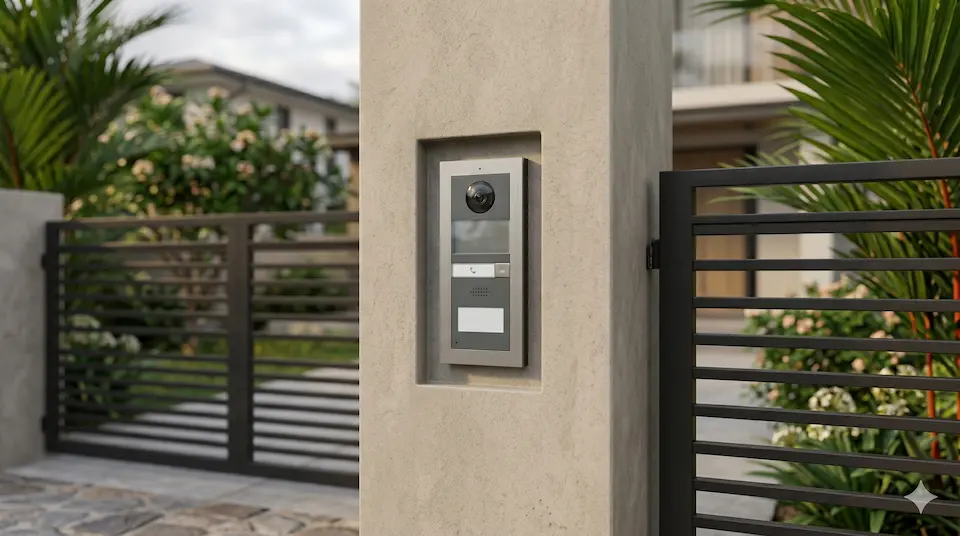
Audio Video Intercoms
Specialist ScopeSee, hear, and talk to visitors at your front gate using a neat living room screen or your mobile phone. System housing sits perfectly flush inside concrete pillars for a premium look.
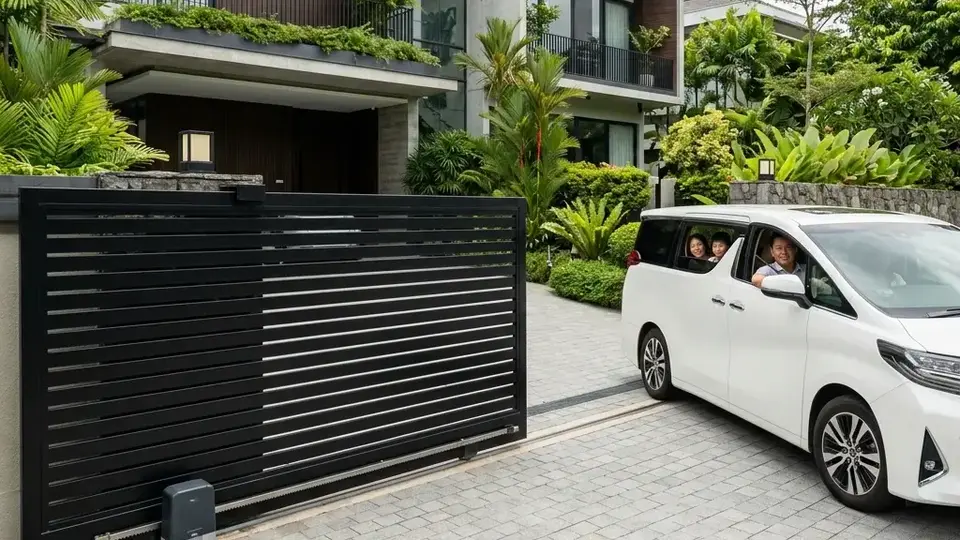
Auto Gate Controls
Specialist ScopeReliable underground gate motors and control systems. We lay the heavy cable pipes across your driveway way before the final expensive paving stones go down.
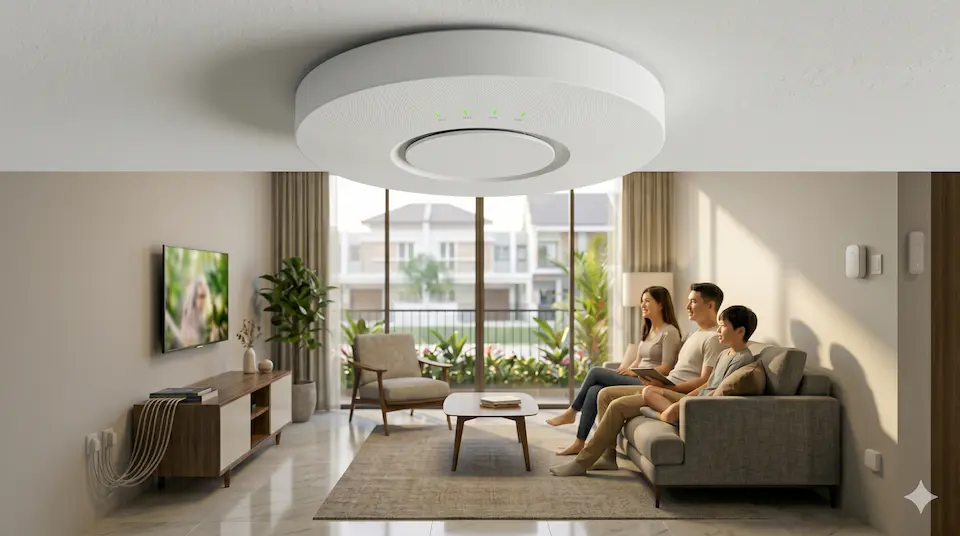
Wi-Fi & Network Infrastructure
Specialist ScopeRun stable lines inside walls to central ceiling data points on every floor level. This gives you strong wireless coverage across your entire property with zero dead zones.

Mobile Security Applications
Specialist ScopeControl your entire home footprint from a secure app on your phone. Stream video logs, check live sensor maps, and receive instant gate alerts from anywhere in the world.
Five Things to Tell Your Architect Before Walls Go Up
Most architects focus on space and style rather than security lines. Make sure these five important requirements are marked on your structural drawings before the blueprints are finalized.
Recesses for Access Readers
Ensure concrete main gate structural pillars offer at least 150mm depth for reader placement. This detail completely prevents bulky surface boxes on clean stone entryways.
Conduit for Camera Elevations
Map structural wiring back-boxes inside exterior wall layouts during concrete framing. Running cable pathways behind your facade finishes avoids unsightly masonry cutting later.
Pipes Across the Driveway
Embed heavy-duty underground conduit paths way before laying driveway stones. This simple step protects your auto-gate and intercom wires from ground moisture forever.
Central Equipment Location Details
Reserve a secure, well-ventilated cabinet footprint near your primary switchboard. This dedicated location houses all central recorder setups, system hubs, and network links out of sight.
Ceiling Access Points for Wi-Fi Lines
Map direct network connection cables up into central ceiling access voids on every floor layout. Isolating low-voltage lines from mains wiring preserves clean, lightning-fast data signals.
How We Fit Into Your Project Team
Securevision runs as an experienced specialist trade partner on site. We deal directly with your architect, builder, and electrical subcontractors so you do not have to manage the details.
Confirm & Document on Paper
We coordinate and confirm all camera vectors and equipment footprints before physical work begins. Everything is drawn clearly on paper layout plans, so your building supervisor knows exactly what gets installed, where, and when.
Active Site Coordination Meetings
Our dedicated project engineers attend regular building alignment meetings on site. We clarify designs and technical specifications with your contractor teams, ensuring smooth, error-free execution at every milestone.
Full Documentation & Lifetime Support
On completion, we hand over a full list of items with clear as-built drawings and system settings. Your documentation lives on long after the building crew leaves, and we are always here to support your home security for years to come.
Landed Houses We Protected From the Ground Up
Examples of actual Singapore landed residential projects where we designed the security systems early during construction.
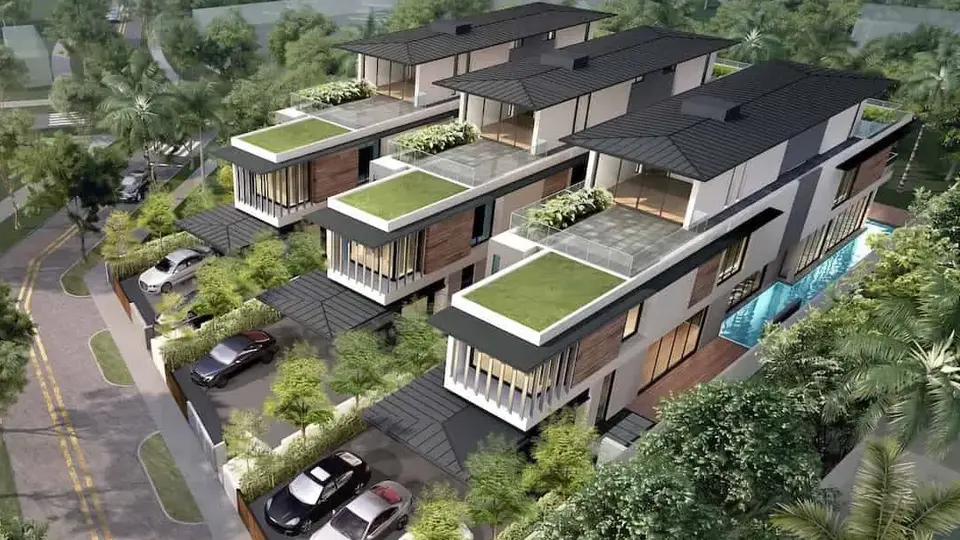
Dyson 8 Residences
Complete security system design and wiring across three brand-new luxury bungalows. Coordinated directly with the main builder team.
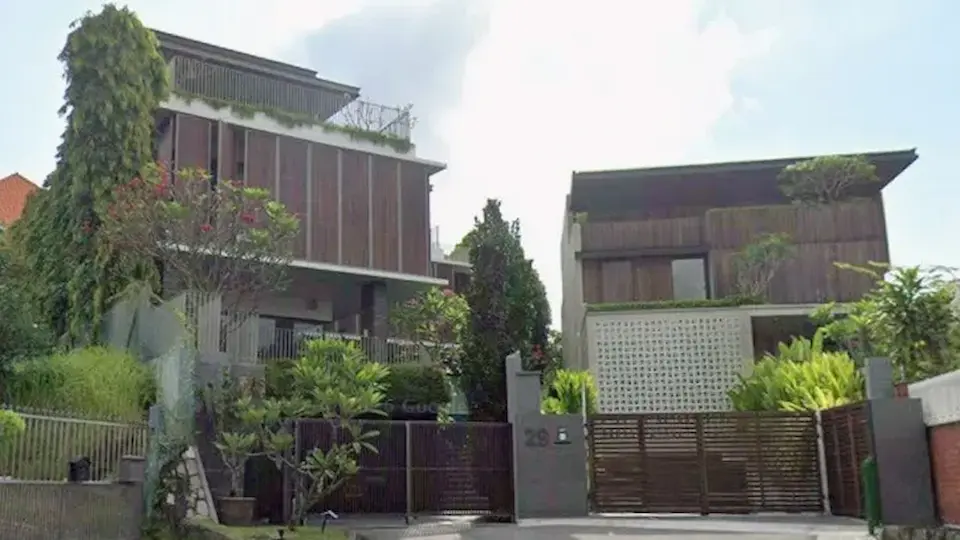
29 Siglap Bank
Full camera, alarm, and flush-mount gate intercom installation for a modern detached home. Cables fully hidden behind the design panels.
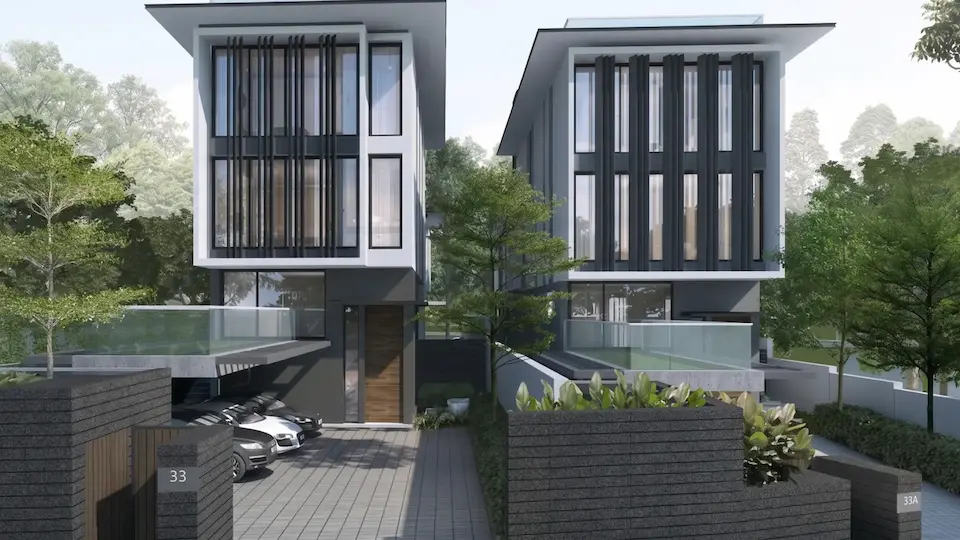
Shelford Road Landed Home
Security trades integration managed carefully during a massive structural A&A project. All wiring locked in place before walls closed up.
Questions Homeowners & Architects Ask Us
When is the best time to involve you?
The best time is when your building drawings are being finalized, before your builder starts work on site. This gives us time to review your plans and hand over a clean wiring guide to your site manager.
Can you work together with my chosen main builder?
Yes, always. We operate cleanly as a specialist sub-contractor. We pass our technical cable plans directly to your architect or site supervisor so you don’t have to play middleman.
Can we run wires now and choose cameras later?
Yes, this is very common. We can handle the wiring layout first while the house is open. You can select the final hardware models right before you move in, ensuring you get the newest tech.
How much does it cost to layout cables early?
For a typical Singapore landed house, laying the initial pipes and security cables runs between $2,000 to $6,000 depending on your home size. Doing it early saves you thousands in future wall hacking bills.
What happens to my security system during a power outage?
Our centralized alarm panels and smart gate control systems feature integrated battery backup packs. Your house security layout remains completely operational even if the main block power cuts strike.
Are there government permits required for home systems?
No special residential permits are needed for private houses. However, because we carry an active Singapore Police Force Security License, we make sure all layouts strictly meet local privacy and street-facing camera guidelines.
Technical Oversight & Compliance Guarantee
"We personally oversee the design of every single residential layout. Our job is to ensure your cameras, alarms, and gates seamlessly meet your daily living needs while complying fully with local police licensing and safety standards."
Ler Wee Meng (B.Eng, NUS) · Founder, Securevision SingaporeReady to Engineer Security Into Your Building Plans?
Send your architectural drawings or floor plans over. Our specialist engineering team will review them and draft a simple, cost-saving security layout plan.
Protecting Singapore Private Estates Since 2006